Why does my dog get tired during exercise? How to recognise and prevent fatigue in sporting dogs
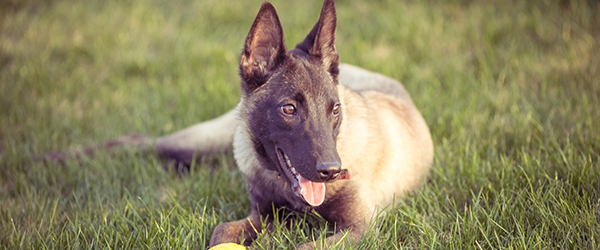
It is a situation that anyone who trains or works with dogs has experienced at some point: a dog that normally copes well with the pace suddenly starts falling behind, breathing more heavily than usual or simply loses interest halfway through a session. Fatigue is a natural part of any physical activity, but when it appears earlier than expected or is more pronounced than usual, it is worth stopping to consider why it is happening.
Fatigue does not always mean the same thing
First of all, it is important to distinguish between normal tiredness after demanding exercise, which is expected and forms part of the training process, and fatigue that appears prematurely, is disproportionate or does not improve with rest. The latter can be a sign that something in the system is not functioning optimally, and the causes can vary widely: from insufficient physical conditioning for the demands of the exercise, to an underlying health problem, or nutritional deficiencies that limit the body’s ability to produce energy.
Recognising the signs early is important because a dog that continues to push itself despite being fatigued is at greater risk of muscle or joint injuries, while its performance may also suffer in the short and medium term.
What happens inside the body when fatigue occurs
During exercise, muscles need a constant supply of oxygen to produce energy efficiently. This oxygen travels from the lungs to the muscles thanks to haemoglobin, the protein in red blood cells responsible for transporting it. If the body does not have enough iron, an essential component of haemoglobin, this transport capacity is compromised, and the muscles begin working with reduced oxygen availability much earlier than they should.
In practical terms, this means that fatigue appears sooner, performance declines and recovery between efforts takes longer. This is particularly relevant for dogs that train or work intensely and regularly, as their iron requirements are higher than those of dogs with more moderate activity levels.
Alongside iron, B vitamins, particularly B1, B2, B3, B6 and B12, play a key role in cellular energy metabolism. Without adequate levels, the body’s ability to convert nutrients into energy available to the muscles is limited, which can also result in fatigue appearing earlier than expected.
Other causes to consider
Not everything comes down to iron and B vitamins. Inadequate hydration, insufficient warm-up, an overly aggressive training progression or simply a level of physical fitness below what the activity requires are also common causes of premature fatigue. And, of course, any signs of fatigue that persist or are accompanied by other symptoms, such as loss of appetite, behavioural changes or breathing difficulties, should be assessed by a veterinarian, as they may indicate an underlying health problem that needs to be ruled out as soon as possible.
How to prevent premature fatigue
Prevention starts, first and foremost, with a well-planned and progressive training programme that allows the body to adapt to the demands without exceeding its limits during each session. From there, nutrition plays a role that is often underestimated: working or sporting dogs need to meet iron, copper and B-vitamin requirements that are higher than those of dogs with a more sedentary lifestyle, and these needs are not always fully met by regular dog food alone, particularly during periods of increased physical demand.
To help meet this additional nutritional requirement, there are supplements specifically designed for sporting and working dogs, such as MEGATOP™ RC Chews (product page link), formulated with iron, copper and B vitamins, as well as vitamin K, vitamin E to support muscle function and vitamin C to help improve iron absorption. In convenient chew form, they are easy to dose and administer before or during periods of intensive training, without the need to mix anything with food. They are still intended as targeted nutritional support: they do not replace a good training programme or a balanced diet, but they can help cover the additional nutritional margin required by dogs with higher levels of physical activity.
Listening to your dog is the best tool
Ultimately, the best way to prevent fatigue is to know your dog well: its usual pace, its signs of tiredness and how it normally responds to physical effort. Any change from that usual pattern — fatigue that appears earlier, takes longer to recover from or occurs repeatedly from one session to the next — deserves attention. When in doubt, consulting your veterinarian is always the safest step before continuing to increase the demands placed on your dog.
Discover more about conoce MEGATOP™ RC Chews and our range of products for sporting dogs.
Why does my dog get tired during exercise? How to recognise and prevent fatigue in sporting dogs
It is a situation that anyone who trains or works with dogs has experienced at some point: a dog that normally copes well with the pace suddenly starts falling behind, breathing more heavily than usual or simply loses interest halfway through a session. Fatigue is a natural part of any physical activity, but when it appears earlier than expected or is more pronounced than usual, it is worth stopping to consider why it is happening.
Fatigue does not always mean the same thing
First of all, it is important to distinguish between normal tiredness after demanding exercise, which is expected and forms part of the training process, and fatigue that appears prematurely, is disproportionate or does not improve with rest. The latter can be a sign that something in the system is not functioning optimally, and the causes can vary widely: from insufficient physical conditioning for the demands of the exercise, to an underlying health problem, or nutritional deficiencies that limit the body’s ability to produce energy.
Recognising the signs early is important because a dog that continues to push itself despite being fatigued is at greater risk of muscle or joint injuries, while its performance may also suffer in the short and medium term.
What happens inside the body when fatigue occurs
During exercise, muscles need a constant supply of oxygen to produce energy efficiently. This oxygen travels from the lungs to the muscles thanks to haemoglobin, the protein in red blood cells responsible for transporting it. If the body does not have enough iron, an essential component of haemoglobin, this transport capacity is compromised, and the muscles begin working with reduced oxygen availability much earlier than they should.
In practical terms, this means that fatigue appears sooner, performance declines and recovery between efforts takes longer. This is particularly relevant for dogs that train or work intensely and regularly, as their iron requirements are higher than those of dogs with more moderate activity levels.
Alongside iron, B vitamins, particularly B1, B2, B3, B6 and B12, play a key role in cellular energy metabolism. Without adequate levels, the body’s ability to convert nutrients into energy available to the muscles is limited, which can also result in fatigue appearing earlier than expected.
Other causes to consider
Not everything comes down to iron and B vitamins. Inadequate hydration, insufficient warm-up, an overly aggressive training progression or simply a level of physical fitness below what the activity requires are also common causes of premature fatigue. And, of course, any signs of fatigue that persist or are accompanied by other symptoms, such as loss of appetite, behavioural changes or breathing difficulties, should be assessed by a veterinarian, as they may indicate an underlying health problem that needs to be ruled out as soon as possible.
How to prevent premature fatigue
Prevention starts, first and foremost, with a well-planned and progressive training programme that allows the body to adapt to the demands without exceeding its limits during each session. From there, nutrition plays a role that is often underestimated: working or sporting dogs need to meet iron, copper and B-vitamin requirements that are higher than those of dogs with a more sedentary lifestyle, and these needs are not always fully met by regular dog food alone, particularly during periods of increased physical demand.
To help meet this additional nutritional requirement, there are supplements specifically designed for sporting and working dogs, such as MEGATOP™ RC Chews (product page link), formulated with iron, copper and B vitamins, as well as vitamin K, vitamin E to support muscle function and vitamin C to help improve iron absorption. In convenient chew form, they are easy to dose and administer before or during periods of intensive training, without the need to mix anything with food. They are still intended as targeted nutritional support: they do not replace a good training programme or a balanced diet, but they can help cover the additional nutritional margin required by dogs with higher levels of physical activity.
Listening to your dog is the best tool
Ultimately, the best way to prevent fatigue is to know your dog well: its usual pace, its signs of tiredness and how it normally responds to physical effort. Any change from that usual pattern — fatigue that appears earlier, takes longer to recover from or occurs repeatedly from one session to the next — deserves attention. When in doubt, consulting your veterinarian is always the safest step before continuing to increase the demands placed on your dog.
Discover more about conoce MEGATOP™ RC Chews and our range of products for sporting dogs.