Prevention of recurrence in summer Dermatitis
Nutritional supplementation plays a key role in maintaining skin health in horses.
Diet is fundamental in controlling summer dermatitis and other equine dermatological issues. A balanced diet and correct supplementation can help reduce inflammation, strengthen the skin barrier, and improve the immune response. Various studies in equine nutrition indicate that specific nutrients have a direct impact on skin and coat health, particularly in horses with cutaneous sensitivity.
- Essential fatty acids: the balance that reduces inflammation
Omega-3 fatty acids, especially DHA and EPA, help modulate the inflammatory response and can reduce the itching associated with allergic processes. Furthermore, maintaining an appropriate balance with omega-6 is crucial, as an excess of the latter can promote inflammation.
- Key Minerals: Zinc and skin regeneration
Zinc is an essential mineral for a horse’s skin health. It is involved in:
- Cellular regeneration.
- Wound healing.
- The proper functioning of the immune system.
A zinc deficiency can aggravate dermatological problems or slow down recovery. Studies such as the one by Vad LN (2010) evaluated the effect of oral supplementation with organic zinc in horses suffering from chronic skin diseases on their distal limbs over a two-month period.
In detail:
- Significant clinical improvement: All treated animals showed a clear improvement in skin lesions and the overall condition of their coat.
- Tissue recovery: A normalization of the hair and skin structure was observed in the affected areas.
- Zinc indicators: An increase of zinc in the mane was confirmed as a useful parameter to evaluate the status of this mineral.
Supplementation with organic zinc shows a positive effect on recovery from dermatitis on the horse’s limbs, even in animals without a previously detected deficiency. This suggests a potentially relevant therapeutic role in supporting skin regeneration.
- Amino Acids and Biotin: hair structure and quality
L-cysteine and biotin contribute to the formation of:
- Keratin.
- Collagen.
Both ingredients are essential for resilient skin and a strong, shiny coat, which is particularly important for horses with recurrent dermatitis.
- Antioxidant and immune vitamins
Vitamins such as E and A help to:
- Protect against oxidative damage.
- Maintain skin integrity.
- Regulate the immune system.
An appropriate nutritional strategy does not replace other care, but it makes a notable difference in horses prone to summer dermatitis, helping to control symptoms and reduce relapses.
Strategies to prevent recurrent summer Dermatitis
1. Environmental monitoring
It is essential to monitor the horse’s environment, especially during months of peak insect activity. Recommended practices include:
- Limiting exposure: Avoid leaving the horse outdoors for long periods during dawn and dusk, when insects are most active.
- Use of fly sheets and masks: Fly sheets (or sweet itch rugs) and masks can significantly reduce bites, covering almost the entire body and serving as the most effective physical barrier.
2. Veterinary check-ups
Regular veterinary visits allow for timely treatment adjustments and early detection of complications. A veterinarian can:
- Evaluate the severity of the dermatitis and adjust the treatment as needed.
- Design a long-term management plan that includes advice on skin care and the prevention of dermatological issues.
Additional considerations
Other skin conditions confounded with Dermatitis
It is important to remember that other dermatological conditions can be confused with summer dermatitis, such as:
- Contact dermatitis: Caused by exposure to irritants like chemicals and certain plants. Symptoms include erythema and itching.
- Food allergies: These can manifest as itching, inflammation, and hair loss. An accurate diagnosis is essential to avoid specific allergens.
- Fungal infections: These can cause itching and skin lesions, requiring the use of antifungals for treatment.
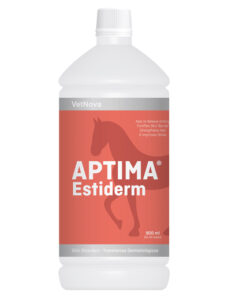
Evidence in practice: Click here to see the case of APTIMA® Estiderm and its proven efficacy.
This clinical success reinforces the findings of studies like Vad (2010): the administration of organic zinc is key to repairing the dermis from within, even in chronic cases.
Conclusion
Summer dermatitis is a recurring challenge, but with a proactive approach that combines environmental control, nutrition, and topical care, it is possible to restore comfort to your horse. By caring for your horse’s skin, you will improve its quality of life and strengthen the bond you share.
References
- White SD. Approach to the pruritic horse. Journal of the American Veterinary Medical Association. 2022.
- Vad LN. An Evaluation of the Clinical Effect of Oral Zinc Supplementation to Horses with Distal Limb Skin Disease and an Assessment of Different Paraclinical Techniques to Estimate Equine Zinc Status. 2010.
Nutritional supplementation plays a key role in maintaining skin health in horses.
Diet is fundamental in controlling summer dermatitis and other equine dermatological issues. A balanced diet and correct supplementation can help reduce inflammation, strengthen the skin barrier, and improve the immune response. Various studies in equine nutrition indicate that specific nutrients have a direct impact on skin and coat health, particularly in horses with cutaneous sensitivity.
- Essential fatty acids: the balance that reduces inflammation
Omega-3 fatty acids, especially DHA and EPA, help modulate the inflammatory response and can reduce the itching associated with allergic processes. Furthermore, maintaining an appropriate balance with omega-6 is crucial, as an excess of the latter can promote inflammation.
- Key Minerals: Zinc and skin regeneration
Zinc is an essential mineral for a horse’s skin health. It is involved in:
- Cellular regeneration.
- Wound healing.
- The proper functioning of the immune system.
A zinc deficiency can aggravate dermatological problems or slow down recovery. Studies such as the one by Vad LN (2010) evaluated the effect of oral supplementation with organic zinc in horses suffering from chronic skin diseases on their distal limbs over a two-month period.
In detail:
- Significant clinical improvement: All treated animals showed a clear improvement in skin lesions and the overall condition of their coat.
- Tissue recovery: A normalization of the hair and skin structure was observed in the affected areas.
- Zinc indicators: An increase of zinc in the mane was confirmed as a useful parameter to evaluate the status of this mineral.
Supplementation with organic zinc shows a positive effect on recovery from dermatitis on the horse’s limbs, even in animals without a previously detected deficiency. This suggests a potentially relevant therapeutic role in supporting skin regeneration.
- Amino Acids and Biotin: hair structure and quality
L-cysteine and biotin contribute to the formation of:
- Keratin.
- Collagen.
Both ingredients are essential for resilient skin and a strong, shiny coat, which is particularly important for horses with recurrent dermatitis.
- Antioxidant and immune vitamins
Vitamins such as E and A help to:
- Protect against oxidative damage.
- Maintain skin integrity.
- Regulate the immune system.
An appropriate nutritional strategy does not replace other care, but it makes a notable difference in horses prone to summer dermatitis, helping to control symptoms and reduce relapses.
Strategies to prevent recurrent summer Dermatitis
1. Environmental monitoring
It is essential to monitor the horse’s environment, especially during months of peak insect activity. Recommended practices include:
- Limiting exposure: Avoid leaving the horse outdoors for long periods during dawn and dusk, when insects are most active.
- Use of fly sheets and masks: Fly sheets (or sweet itch rugs) and masks can significantly reduce bites, covering almost the entire body and serving as the most effective physical barrier.
2. Veterinary check-ups
Regular veterinary visits allow for timely treatment adjustments and early detection of complications. A veterinarian can:
- Evaluate the severity of the dermatitis and adjust the treatment as needed.
- Design a long-term management plan that includes advice on skin care and the prevention of dermatological issues.
Additional considerations
Other skin conditions confounded with Dermatitis
It is important to remember that other dermatological conditions can be confused with summer dermatitis, such as:
- Contact dermatitis: Caused by exposure to irritants like chemicals and certain plants. Symptoms include erythema and itching.
- Food allergies: These can manifest as itching, inflammation, and hair loss. An accurate diagnosis is essential to avoid specific allergens.
- Fungal infections: These can cause itching and skin lesions, requiring the use of antifungals for treatment.
Evidence in practice: Click here to see the case of APTIMA® Estiderm and its proven efficacy.
This clinical success reinforces the findings of studies like Vad (2010): the administration of organic zinc is key to repairing the dermis from within, even in chronic cases.
Conclusion
Summer dermatitis is a recurring challenge, but with a proactive approach that combines environmental control, nutrition, and topical care, it is possible to restore comfort to your horse. By caring for your horse’s skin, you will improve its quality of life and strengthen the bond you share.
References
- White SD. Approach to the pruritic horse. Journal of the American Veterinary Medical Association. 2022.
- Vad LN. An Evaluation of the Clinical Effect of Oral Zinc Supplementation to Horses with Distal Limb Skin Disease and an Assessment of Different Paraclinical Techniques to Estimate Equine Zinc Status. 2010.
If you are interested in helping to improve the condition of your horse’s skin, get to know conoce APTIMA® Estiderm