

Nutrition and Equine Skin Health
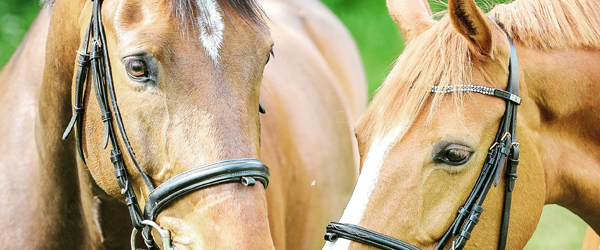
Anyone who spends time around the stables knows that there is no better indicator of a horse’s condition than its outward appearance. We often say that a horse is “shining” when it is at its best, but that shine is not accidental or simply the result of good grooming. The horse’s skin is the largest organ in its body and, far from being a simple covering, it is a dynamic system that responds to every nutrient, digestive process and internal imbalance.
In recent years, veterinary science has confirmed what experienced horsemen have long suspected: skin health is closely linked to a horse’s digestive and nutritional status. If you want to understand why your horse has dry skin, struggles to shed its coat or seems to attract every case of dermatitis in the field, the first place to look is its feed
1. Skin metabolism in horses
The skin is not static; it is an organ in constant renewal. A horse produces skin cells, hair and sebum 24 hours a day. To keep this “army” of cells strong, the body needs a continuous supply of raw materials.
Healthy skin is not just a matter of appearance; it is the first line of immune defence against pathogens, fungi and parasites. When nutrition fails, the barrier becomes weaker and the horse is left more exposed.
2. Protein and amino acids in the horse’s diet
We sometimes become obsessed with coat-enhancing supplements for horses, but we forget the foundation: protein. Hair and the outer layer of the skin are made of keratin, a very strong protein. Without the right amino acids, the body cannot produce high-quality structural material.
- L-Cysteine: This sulphur-containing amino acid is present in keratin. Its sulphur bonds contribute to the structure and strength of the hair, helping to maintain a strong coat that is less prone to breakage
- Methionine: In addition to being part of proteins, methionine acts as a precursor to cysteine in the body. An adequate supply supports normal keratin formation and contributes to maintaining healthy skin and hair.
- Lysine: One of the most important essential amino acids for protein synthesis. When the diet is deficient in lysine, the body’s ability to produce new proteins needed for the renewal and repair of skin tissues may be limited.
- Threonine: It contributes to the formation of structural proteins and helps maintain skin integrity. It also plays a role in processes related to tissue regeneration and overall tissue health.
3. The power of fats: Omega-3 and inflammation
Modern nutrition has completely changed the way we understand equine wellbeing. For years, all fats were treated alike, but we now know that they do not function in the same way or have the same impact on the body. In horses, the balance between Omega-3 and Omega-6 can make a difference between strong, flexible, healthy skin and skin that is irritated, sensitive and prone to inflammation.
In its natural state, a horse spends hours grazing fresh grass, an excellent source of Omega-3. However, many stabled horses receive diets based on feeds, cereals and vegetable oils rich in Omega-6, such as corn or sunflower oil. When this ratio remains unbalanced for long periods, various processes related to skin health, immune function and overall wellbeing may be affected.
When supplementing the diet, one of the best-known sources of Omega-3 is flaxseed oil, which is rich in alpha-linolenic acid (ALA). Although it can contribute to the intake of these nutrients, the horse’s body must convert ALA into EPA and DHA in order to fully benefit from many of their effects, and this process has limited efficiency.
For this reason, fish oil is a particularly interesting source of Omega-3. It provides EPA (eicosapentaenoic acid) and DHA (docosahexaenoic acid) directly, the biologically more active forms that are more readily utilised by the body. Its high bioavailability also allows them to be incorporated more effectively into cell membranes, where they help regulate the inflammatory response and contribute to maintaining healthy, functional skin.
Interestingly, this imbalance is not usually noticeable from one day to the next. It is a silent process that builds up over time. That is why adjusting the diet and restoring this natural balance can make a significant difference to the horse’s overall health
4. Essential vitamins for horses
Vitamins are like the body’s small “invisible workers”: you cannot see them and they make no noise, but nothing works without them. And their role in the horse’s skin is enormous.
- Vitamin A: Helps skin cells mature properly. When it is deficient, the skin can become thick, rough and flaky. Horses without access to fresh grass, which is rich in beta-carotene, may have lower levels, and their skin can show the effects.
- Vitamin D3: Known for its role in calcium and phosphorus metabolism, it also contributes to normal immune function and the regulation of cell renewal. In the skin, it helps support a balanced response and a functional skin barrier.
- Vitamin E and Selenium They are the cell’s “clean-up team”. They help counteract damage associated with sunlight and oxidative stress. A horse that spends many hours outdoors needs these antioxidants to help maintain healthy skin from within.
- B-complex vitamins (including biotin): Although we often associate biotin only with hoof health, it is also important for the skin’s normal metabolism of fats. Interestingly, a healthy horse produces much of its B-complex vitamins through its intestinal bacteria. Therefore, when the skin is not in good condition, the gut may also need attention.
- Vitamin B2 (riboflavin): Involved in cellular energy metabolism. In the skin, it helps cells obtain the energy they need to renew themselves and maintain normal function.
- Vitamina B3 (niacin): Contributes to the metabolism of fats, proteins and carbohydrates. It is also associated with maintaining skin integrity and a healthy skin barrier.
- Vitamin B5 (pantothenic acid): Involved in the synthesis of coenzyme A, which is essential for lipid metabolism. This makes it relevant to skin maintenance, as lipids are an essential component of the skin barrier.
5. Zinc and Copper: the often-overlooked minerals
It is surprising how many skin problems improve when these two minerals are brought back into balance.
- Zinc: A key mineral for skin health. It helps the skin repair and renew itself. When deficient, scabs that fail to heal, scaling and increased susceptibility to fungal and bacterial problems can occur, including the dreaded mud fever.
- Copper: If a dark-coated horse starts to “bleach” at the tips of the hair, developing a reddish or yellowish tone, this can be a clear sign of deficiency. Copper is essential for melanin production and for maintaining strong collagen.
6. Forage: nature’s cosmetic for horses
For healthy skin, there is nothing more basic—or more effective—than good-quality forage. A horse needs between 1.5% and 2% of its body weight in fibre each day.
Chewing for hours helps keep the stomach stable and, above all, feeds the microbiota of the hindgut. This microbiota produces fatty acids and vitamins that support the skin from within. Good-quality forage should always be the foundation of the diet, as supplements should not replace a balanced diet.
7. Hydration: elasticity starts with water
You can provide the best oils in the world, but if the horse does not drink enough, its skin becomes more fragile. Hydrated skin is flexible; dehydrated skin can crack and allow allergens to penetrate.
8. Practical day-to-day advice
To apply all this scientific knowledge in your stable, follow this checklist:
- Analyse your forage: Make it the foundation of the diet. If the hay is poor in nutrients, compensate with a vitamin and mineral balancer.
- Add Omega-3: Fish oils provide EPA and DHA, two highly bioavailable Omega-3 fatty acids that help maintain healthy skin and a balanced inflammatory response.
- Watch the sugar: Excess cereals and simple sugars can promote inflammation. Lower starch intake may translate into calmer, healthier skin.
- ay attention to shedding: In autumn and spring, the requirements for zinc and amino acids increase. Preventive support can help avoid larger problems.
Conclusion
A horse’s skin is a diary of its nutrition. True resilience, vibrant colour and the ability to recover from wounds begin with a balanced digestive system and a diet that respects the horse’s physiology.
Conscious nutrition is undoubtedly one of the best ways to support your horse’s skin health.
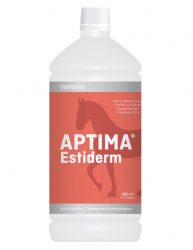
If you are interested in helping to improve the condition of your horse’s skin, get to know, APTIMA® Estiderm
Nutrition and Equine Skin Health
Anyone who spends time around the stables knows that there is no better indicator of a horse’s condition than its outward appearance. We often say that a horse is “shining” when it is at its best, but that shine is not accidental or simply the result of good grooming. The horse’s skin is the largest organ in its body and, far from being a simple covering, it is a dynamic system that responds to every nutrient, digestive process and internal imbalance.
In recent years, veterinary science has confirmed what experienced horsemen have long suspected: skin health is closely linked to a horse’s digestive and nutritional status. If you want to understand why your horse has dry skin, struggles to shed its coat or seems to attract every case of dermatitis in the field, the first place to look is its feed
1. Skin metabolism in horses
The skin is not static; it is an organ in constant renewal. A horse produces skin cells, hair and sebum 24 hours a day. To keep this “army” of cells strong, the body needs a continuous supply of raw materials.
Healthy skin is not just a matter of appearance; it is the first line of immune defence against pathogens, fungi and parasites. When nutrition fails, the barrier becomes weaker and the horse is left more exposed.
2. Protein and amino acids in the horse’s diet
We sometimes become obsessed with coat-enhancing supplements for horses, but we forget the foundation: protein. Hair and the outer layer of the skin are made of keratin, a very strong protein. Without the right amino acids, the body cannot produce high-quality structural material.
- L-Cysteine: This sulphur-containing amino acid is present in keratin. Its sulphur bonds contribute to the structure and strength of the hair, helping to maintain a strong coat that is less prone to breakage
- Methionine: In addition to being part of proteins, methionine acts as a precursor to cysteine in the body. An adequate supply supports normal keratin formation and contributes to maintaining healthy skin and hair.
- Lysine: One of the most important essential amino acids for protein synthesis. When the diet is deficient in lysine, the body’s ability to produce new proteins needed for the renewal and repair of skin tissues may be limited.
- Threonine: It contributes to the formation of structural proteins and helps maintain skin integrity. It also plays a role in processes related to tissue regeneration and overall tissue health.
3. The power of fats: Omega-3 and inflammation
Modern nutrition has completely changed the way we understand equine wellbeing. For years, all fats were treated alike, but we now know that they do not function in the same way or have the same impact on the body. In horses, the balance between Omega-3 and Omega-6 can make a difference between strong, flexible, healthy skin and skin that is irritated, sensitive and prone to inflammation.
In its natural state, a horse spends hours grazing fresh grass, an excellent source of Omega-3. However, many stabled horses receive diets based on feeds, cereals and vegetable oils rich in Omega-6, such as corn or sunflower oil. When this ratio remains unbalanced for long periods, various processes related to skin health, immune function and overall wellbeing may be affected.
When supplementing the diet, one of the best-known sources of Omega-3 is flaxseed oil, which is rich in alpha-linolenic acid (ALA). Although it can contribute to the intake of these nutrients, the horse’s body must convert ALA into EPA and DHA in order to fully benefit from many of their effects, and this process has limited efficiency.
For this reason, fish oil is a particularly interesting source of Omega-3. It provides EPA (eicosapentaenoic acid) and DHA (docosahexaenoic acid) directly, the biologically more active forms that are more readily utilised by the body. Its high bioavailability also allows them to be incorporated more effectively into cell membranes, where they help regulate the inflammatory response and contribute to maintaining healthy, functional skin.
Interestingly, this imbalance is not usually noticeable from one day to the next. It is a silent process that builds up over time. That is why adjusting the diet and restoring this natural balance can make a significant difference to the horse’s overall health
4. Essential vitamins for horses
Vitamins are like the body’s small “invisible workers”: you cannot see them and they make no noise, but nothing works without them. And their role in the horse’s skin is enormous.
- Vitamin A: Helps skin cells mature properly. When it is deficient, the skin can become thick, rough and flaky. Horses without access to fresh grass, which is rich in beta-carotene, may have lower levels, and their skin can show the effects.
- Vitamin D3: Known for its role in calcium and phosphorus metabolism, it also contributes to normal immune function and the regulation of cell renewal. In the skin, it helps support a balanced response and a functional skin barrier.
- Vitamin E and Selenium They are the cell’s “clean-up team”. They help counteract damage associated with sunlight and oxidative stress. A horse that spends many hours outdoors needs these antioxidants to help maintain healthy skin from within.
- B-complex vitamins (including biotin): Although we often associate biotin only with hoof health, it is also important for the skin’s normal metabolism of fats. Interestingly, a healthy horse produces much of its B-complex vitamins through its intestinal bacteria. Therefore, when the skin is not in good condition, the gut may also need attention.
- Vitamin B2 (riboflavin): Involved in cellular energy metabolism. In the skin, it helps cells obtain the energy they need to renew themselves and maintain normal function.
- Vitamina B3 (niacin): Contributes to the metabolism of fats, proteins and carbohydrates. It is also associated with maintaining skin integrity and a healthy skin barrier.
- Vitamin B5 (pantothenic acid): Involved in the synthesis of coenzyme A, which is essential for lipid metabolism. This makes it relevant to skin maintenance, as lipids are an essential component of the skin barrier.
5. Zinc and Copper: the often-overlooked minerals
It is surprising how many skin problems improve when these two minerals are brought back into balance.
- Zinc: A key mineral for skin health. It helps the skin repair and renew itself. When deficient, scabs that fail to heal, scaling and increased susceptibility to fungal and bacterial problems can occur, including the dreaded mud fever.
- Copper: If a dark-coated horse starts to “bleach” at the tips of the hair, developing a reddish or yellowish tone, this can be a clear sign of deficiency. Copper is essential for melanin production and for maintaining strong collagen.
6. Forage: nature’s cosmetic for horses
For healthy skin, there is nothing more basic—or more effective—than good-quality forage. A horse needs between 1.5% and 2% of its body weight in fibre each day.
Chewing for hours helps keep the stomach stable and, above all, feeds the microbiota of the hindgut. This microbiota produces fatty acids and vitamins that support the skin from within. Good-quality forage should always be the foundation of the diet, as supplements should not replace a balanced diet.
7. Hydration: elasticity starts with water
You can provide the best oils in the world, but if the horse does not drink enough, its skin becomes more fragile. Hydrated skin is flexible; dehydrated skin can crack and allow allergens to penetrate.
8. Practical day-to-day advice
To apply all this scientific knowledge in your stable, follow this checklist:
- Analyse your forage: Make it the foundation of the diet. If the hay is poor in nutrients, compensate with a vitamin and mineral balancer.
- Add Omega-3: Fish oils provide EPA and DHA, two highly bioavailable Omega-3 fatty acids that help maintain healthy skin and a balanced inflammatory response.
- Watch the sugar: Excess cereals and simple sugars can promote inflammation. Lower starch intake may translate into calmer, healthier skin.
- ay attention to shedding: In autumn and spring, the requirements for zinc and amino acids increase. Preventive support can help avoid larger problems.
Conclusion
A horse’s skin is a diary of its nutrition. True resilience, vibrant colour and the ability to recover from wounds begin with a balanced digestive system and a diet that respects the horse’s physiology.
Conscious nutrition is undoubtedly one of the best ways to support your horse’s skin health.
If you are interested in helping to improve the condition of your horse’s skin, get to know, APTIMA® Estiderm